What We Do
Learn About Us
Support Us
Barka Syed
Pema Through My Eyes - As a Co-Facilitator
Pema Through My Eyes - As a Co-Facilitator

Published
Wednesday, June 24, 2026
Author
Barka is a psychology student with a curious mind and a love for storytelling. Passionate about exploring human behavior, she blends her academic journey with content writing to share ideas that inspire and inform. Outside her studies, she finds peace in nature and joy in the company of animals.
When I stepped into the first session of Pema, I carried certain expectations with me. Ideas of how certain sessions might start, what the participants might be like and what my own role as a facilitator would look like; a fairly structured environment, predictable responses and a clearer sense of control over each session. But, as the journey progressed, the reality was far richer and more meaningful than I had imagined.
One of the things that stood out to me early on was how different each batch is. The gap between expectations and reality became most visible when I compared batch 2 and batch 3. The dynamic of the group, the pace of conversations, and the way people opened up were all shaped by individual differences. Every Pema participant walks into the room with their own stories and emotional landscapes and quietly shapes the experience for everyone else.
Amidst unexpected events which lead to an unavailability of both facilitators of Pema, I took on the responsibility of becoming a co-facilitator for Pema batch 3 alongside Alishba Sohail. Taking on that responsibility came with its own challenges. I remember feeling the weight of it in the moment- sitting in front of the group, trying to ground the space, and making our presence feel reliable and steady. Holding that space was not easy but over time, that uncertainty softened as trust slowly built itself through the process. We realized that holding space is not just about speaking big words, it is about making people feel safe enough to show up as they are. What helped immensely was the nature of the Pema curriculum itself- the beauty of this curriculum is that it is not rigid. It can be modified according to the needs of the group. Rather than following astrict set of instructions, we allowed the sessions to flow organically and let participants express themselves at their own pace and explore ideas in ways that made sense to them. This flexibility made the experience feel alive rather than mechanical.
Another realization that stayed with me was how practices that felt ordinary to me could carry such deep meaning for the participants. Activities such as mindfulness discussions, simple grounding techniques, understanding different emotions, or exploring ideas from DBT were everyday concepts in my own learning as a psychologist in training but for many participants, these conversations opened doors they had never walked through before.
If I were to describe Pema in a slightly poetic way, I would say it looks like a valley where caged souls are slowly set free gently peeling away their protective layers revealing the most creative, thoughtful personalities. I saw elderly participants and grown adults walk into the room carrying invisible weights, and then gradually begin to feel lighter. From the first week of Pema to the third week, their body language tells the story before their words do. Shoulders drop, laughter becomes easier, and conversations flow more naturally. This shift creates a powerful sense of belonging; a reminder that we are all under the same sky, all part of a larger community that needs one another to thrive.
پیماں آپ کو صرف خود سے نہیں ملواتا، بلکہ ایسے لوگوں سے بھی ملواتا ہے جو اپنی محبت، خلوص اور اپنائیت سے آپ کے دل میں ایسی جگہ بنا لیتے ہیں کہ آپ بار بار اسی روشنی، اسی احساس اور اسی سفر کی طرف لوٹنے کو دل سے مجبور ہو جاتے ہیں۔
So, whether you join Pema as a participant or as a facilitator, brace yourself for a journey of belonging and self-discovery.
When I stepped into the first session of Pema, I carried certain expectations with me. Ideas of how certain sessions might start, what the participants might be like and what my own role as a facilitator would look like; a fairly structured environment, predictable responses and a clearer sense of control over each session. But, as the journey progressed, the reality was far richer and more meaningful than I had imagined.
One of the things that stood out to me early on was how different each batch is. The gap between expectations and reality became most visible when I compared batch 2 and batch 3. The dynamic of the group, the pace of conversations, and the way people opened up were all shaped by individual differences. Every Pema participant walks into the room with their own stories and emotional landscapes and quietly shapes the experience for everyone else.
Amidst unexpected events which lead to an unavailability of both facilitators of Pema, I took on the responsibility of becoming a co-facilitator for Pema batch 3 alongside Alishba Sohail. Taking on that responsibility came with its own challenges. I remember feeling the weight of it in the moment- sitting in front of the group, trying to ground the space, and making our presence feel reliable and steady. Holding that space was not easy but over time, that uncertainty softened as trust slowly built itself through the process. We realized that holding space is not just about speaking big words, it is about making people feel safe enough to show up as they are. What helped immensely was the nature of the Pema curriculum itself- the beauty of this curriculum is that it is not rigid. It can be modified according to the needs of the group. Rather than following astrict set of instructions, we allowed the sessions to flow organically and let participants express themselves at their own pace and explore ideas in ways that made sense to them. This flexibility made the experience feel alive rather than mechanical.
Another realization that stayed with me was how practices that felt ordinary to me could carry such deep meaning for the participants. Activities such as mindfulness discussions, simple grounding techniques, understanding different emotions, or exploring ideas from DBT were everyday concepts in my own learning as a psychologist in training but for many participants, these conversations opened doors they had never walked through before.
If I were to describe Pema in a slightly poetic way, I would say it looks like a valley where caged souls are slowly set free gently peeling away their protective layers revealing the most creative, thoughtful personalities. I saw elderly participants and grown adults walk into the room carrying invisible weights, and then gradually begin to feel lighter. From the first week of Pema to the third week, their body language tells the story before their words do. Shoulders drop, laughter becomes easier, and conversations flow more naturally. This shift creates a powerful sense of belonging; a reminder that we are all under the same sky, all part of a larger community that needs one another to thrive.
پیماں آپ کو صرف خود سے نہیں ملواتا، بلکہ ایسے لوگوں سے بھی ملواتا ہے جو اپنی محبت، خلوص اور اپنائیت سے آپ کے دل میں ایسی جگہ بنا لیتے ہیں کہ آپ بار بار اسی روشنی، اسی احساس اور اسی سفر کی طرف لوٹنے کو دل سے مجبور ہو جاتے ہیں۔
So, whether you join Pema as a participant or as a facilitator, brace yourself for a journey of belonging and self-discovery.



Comments
You may also like
Article
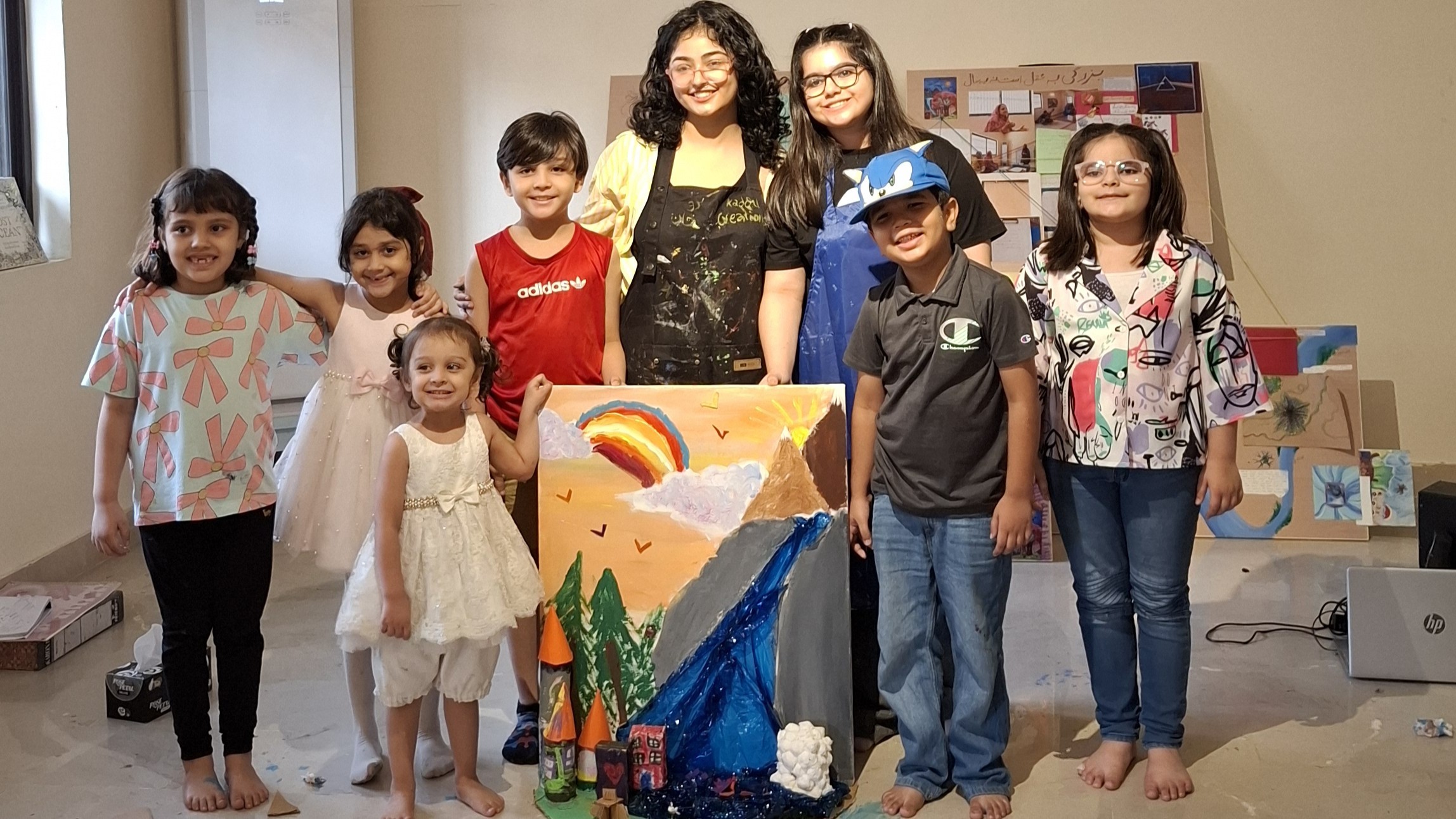
Chuttiyan at Nani Ghar- Part 6: Build Your Own World
Barka Syed
Article
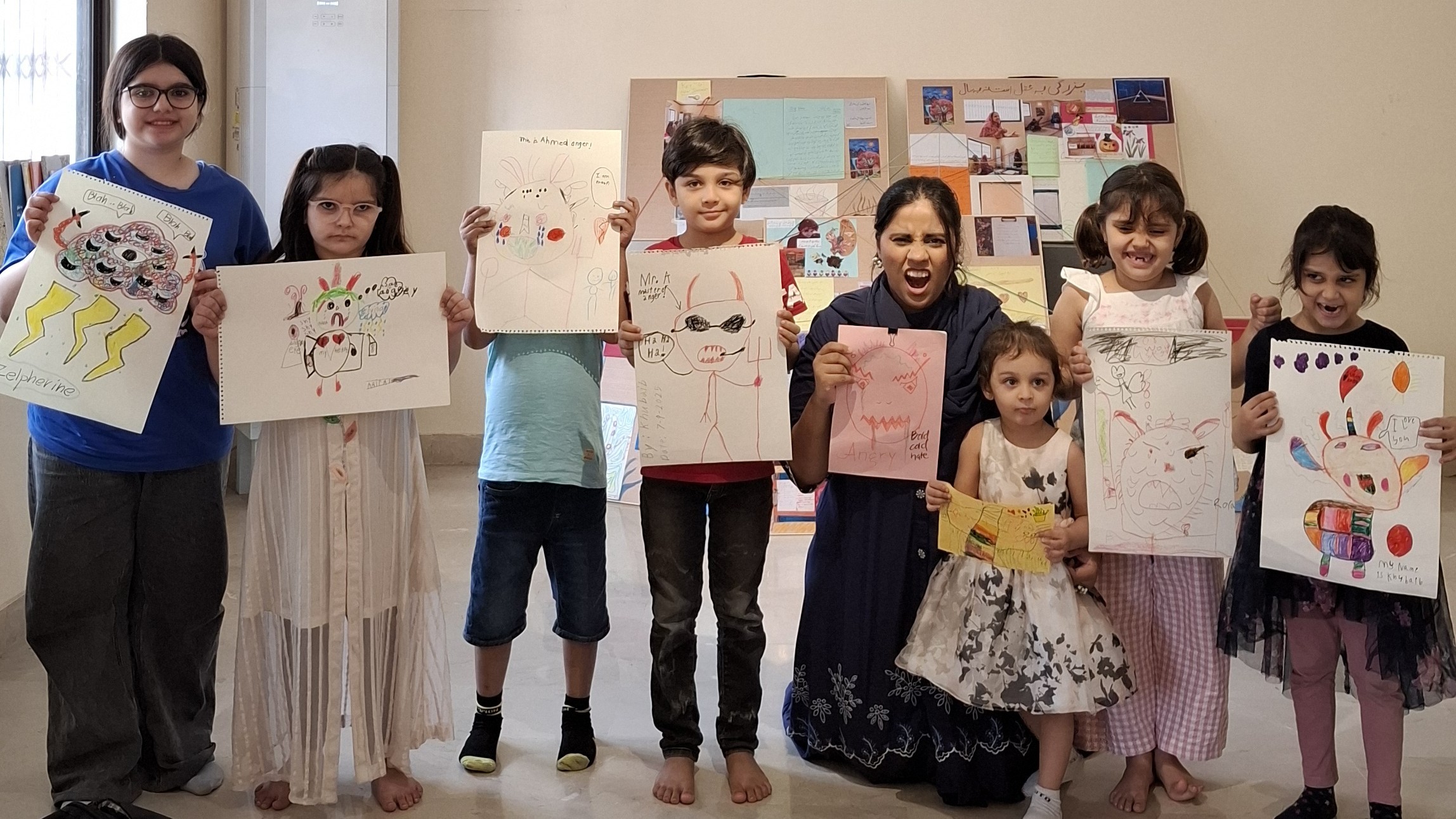
Chuttiyan at Nani Ghar- Part 5: Ghussa Zaruri Hai
Barka Syed
Article
Chuttiyan at Nani Ghar- Part 4: A Card to Yourself
Barka Syed